FNAF 3D Characters for AR: Building the Horror on a Phone
For the Five Nights at Freddy’s (FNAF) theatrical release, we built optimized, animated 3D characters and environments for an augmented reality campaign that dropped fans straight into the movie’s world. Working with Wakefield:XR, we turned Universal Pictures’ horror universe into fast, high-impact AR moments that fans could trigger on their own phone and share.
This is how we designed and optimized the FNAF AR experience, and what it shows about using AR to market a film.
The brief
Wakefield:XR came to us to build the 3D side of an AR advertising campaign for the FNAF movie. The goal was not a generic face filter. It was an experience that pulled fans into the FNAF universe, recreated the film’s locations, and delivered the scare that the franchise is known for, all inside a social AR effect.
Wakefield:XR managed the project end to end and brought us in for one of the most critical pieces: high-quality, real-time-ready 3D characters and environments.
The challenge
Three things made this hard to get right:
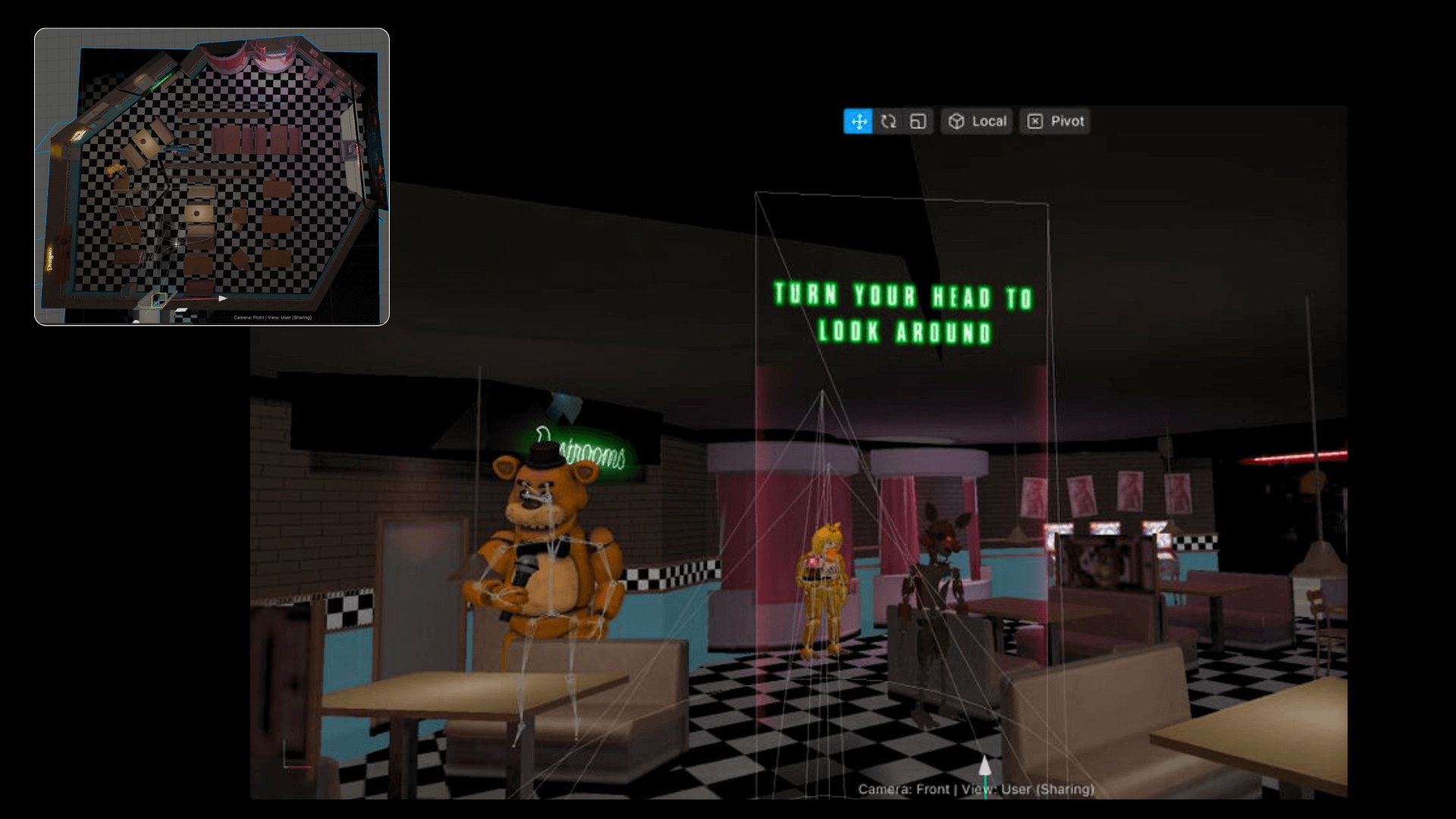
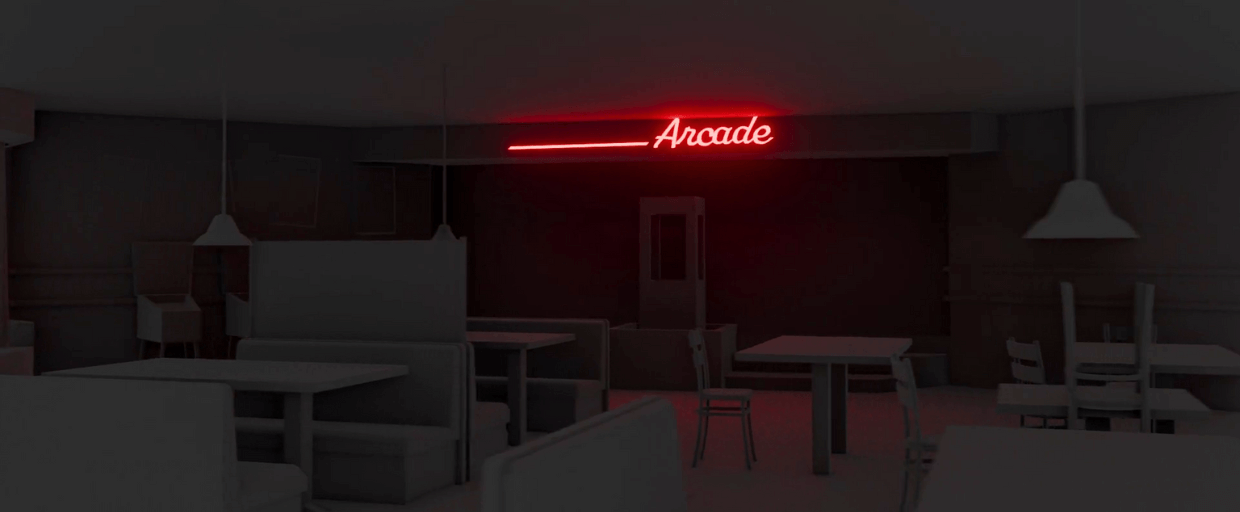
- Authentic locations. We recreated the film’s arcade and security rooms with the details that sell the atmosphere: flickering lights, worn-out machines, and a grimy, horror-movie mood.
- Close-range animatronics. The animatronics had to animate and read well at arm’s length, inside the player’s real space, where every rough edge shows.
- Runs on a phone. All of it had to run smoothly inside a social AR effect, which means tight limits on geometry, textures, and materials.
The goal was not just to show a character in AR, but to briefly place the fan inside the FNAF space, long enough for the scare to land and the movie to stick.
The AR experience
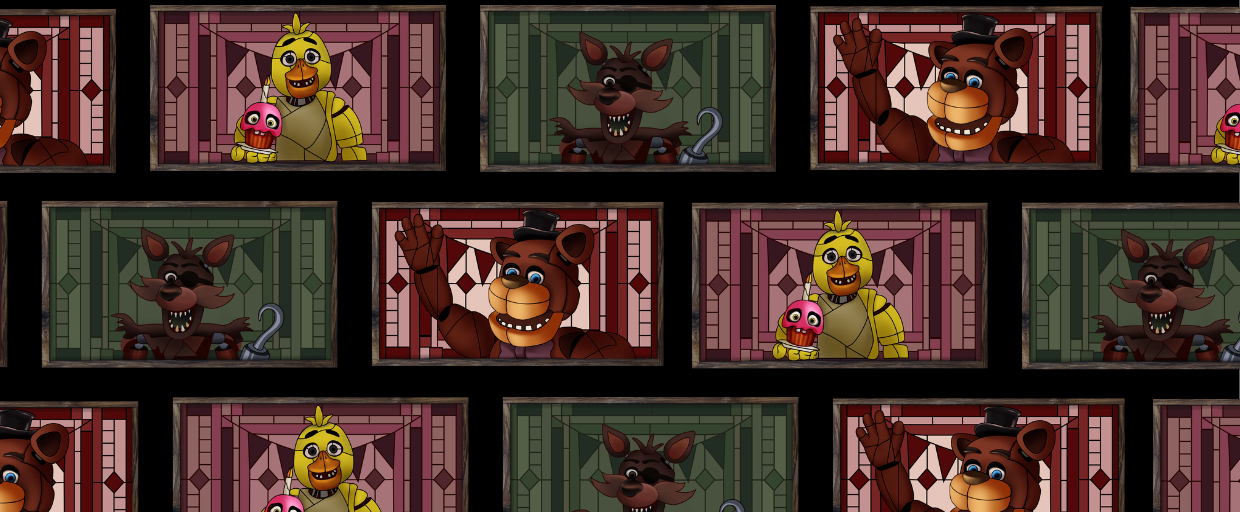
The final effect put fans inside a FNAF location and hit them with randomized jump scares from different characters. Because the scare changed each time, fans opened it again and again, which drove longer dwell time, organic sharing, and user-generated content, exactly what a movie launch wants.
Our optimized 3D assets made sure the scares hit hard, with no dropped frames or visual compromises at the key moment.
Optimizing 3D for social AR
The most demanding part was making cinematic assets behave like lightweight, production-safe AR content. Our work focused on three things:
- Lower polygon counts. We reduced geometry on every asset while keeping the silhouette and detail that make each character recognizable.
- Baked lighting. We baked the lighting and surface detail into the textures and compressed them for mobile, so the scene keeps its mood without the cost of real-time lights.
- Smooth on device. We tuned animation and materials so the experience stays fluid on the phones fans actually use.
Every asset was prepared to drop straight into Wakefield:XR’s final AR builds and run cleanly across platforms.
Why optimization is the whole game. A social AR effect lives or dies on performance. A beautiful scene that stutters gets closed. The real skill is holding the horror-movie atmosphere while the file stays light enough to load fast and run clean.
Why AR works for movie marketing
AR gives a film launch something a trailer cannot: the fan becomes part of the world and makes their own content inside it. A shareable scare travels across Snapchat, TikTok, and WebAR on its own, turning fans into the campaign. It is the same interactivity that drives results in AR marketing and sales, applied to entertainment. For more on where this is heading, see our take on AR and VR trends in 2026.
Frequently asked questions
What is AR for movie marketing?
AR for movie marketing uses a phone camera to place a film’s characters and locations into the viewer’s real space, so fans can experience a scene and share it. For FNAF, that meant a jump-scare effect fans could trigger and post.
How do you optimize 3D characters for social AR?
By lowering polygon counts, baking lighting into compressed textures, and tuning animation and materials so heavy 3D runs smoothly inside a social AR effect on a normal phone.
Which platforms run these AR experiences?
Social AR effects run on Snapchat and TikTok, and WebAR runs from a QR code or link in the browser with no app. The right choice depends on the campaign’s audience and goal.
Can you build a branded AR experience for us?
Yes. We build optimized 3D characters, environments, and AR effects for brands and campaigns. Tell us about your project and we will scope it.
Looking ahead
The FNAF campaign shows what AR does best: it turns an audience into participants and their phones into a distribution channel. We build the 3D and the AR that make that happen, optimized to run anywhere. Your creative AR/XR development partner.
Jan 27, 2026
Let’s create together