AR and VR Trends in 2026: Enterprise, Retail, and What’s Next
Augmented reality (AR) and virtual reality (VR) have moved past games and demos. In 2026 they run factory floors, fitting rooms, classrooms, and marketing campaigns. AR adds digital content on top of the real world through a phone or glasses; VR replaces the view with a full digital environment. This guide walks through the trends that matter this year, with real examples and the 2026 market data.
AR is not new to advertising. BMW’s MINI ran one of the first AR magazine ads back in 2008. What changed by 2026 is the scale: the technology now runs factories, stores, classrooms, and campaigns, not just experiments.
Enterprise AR: training and remote assistance
The clearest return on AR and VR right now is inside companies. Teams use headsets and AR glasses to train faster and fix things without flying an expert to the site.
- Faster training. Companies that use XR for onboarding report cutting training time by up to 40%, because staff practice in a safe, repeatable environment.
- Remote assistance. A technician wearing AR glasses sees instructions layered on the machine in front of them, while a remote expert guides the fix in real time. Hardware like Lenovo ThinkReality, Microsoft HoloLens, Meta Quest, and HTC Vive powers this.
- Real use in the field. Boeing uses AR to show digital 3D wiring schematics on its KC-46 tanker and 767 aircraft, so technicians read the diagram hands-free while they work.
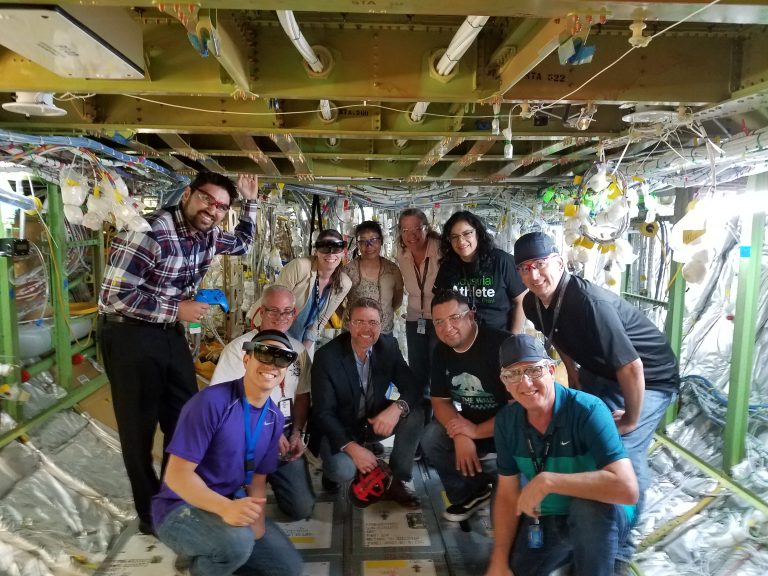 Image credit: SME
AR in retail and fashion
Retail is where AR reaches the most shoppers. Virtual try-on lets people test a product on themselves before they buy, which lifts confidence and cuts returns.
- Try-on for fashion and beauty. Shoppers test frames, shades, and outfits on their own face and body. Gucci let customers try sneakers virtually before purchase, and brands like Versace have run AR filters to preview products.
- Products in the room. Furniture and decor brands let buyers place a full-size 3D model in their home to check scale and style.
- Proven results. AR try-on lifts conversion by more than 90% for shoppers who engage with it, and cuts returns by around a third. We break this down in our guide to AR in marketing and sales.
The same try-on and reveal mechanics power interactive product packaging. See how brands use it in our guide to augmented reality packaging.
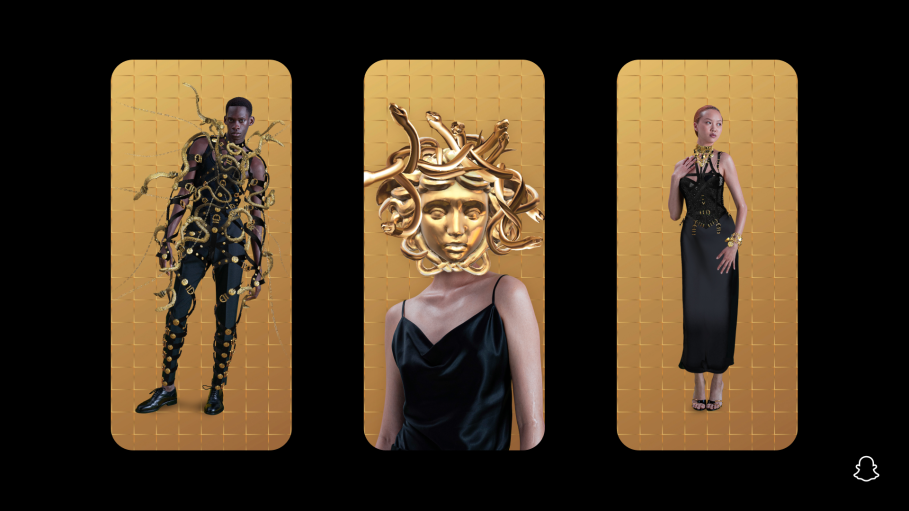 Image credit: Newsroom
AR and VR in entertainment and education
Beyond shopping, AR and VR change how people learn and experience culture.
- Culture and museums. The Paris National Museum of Natural History gave visitors HoloLens goggles to see extinct animals at life size, standing in the room with them.
- Immersive learning. Studies find immersive learning can be 70 to 90% more effective than traditional methods, because people remember what they do, not just what they read.
- Medical training. Students and doctors use Microsoft HoloLens to study human anatomy as a 3D model they can walk around and take apart.
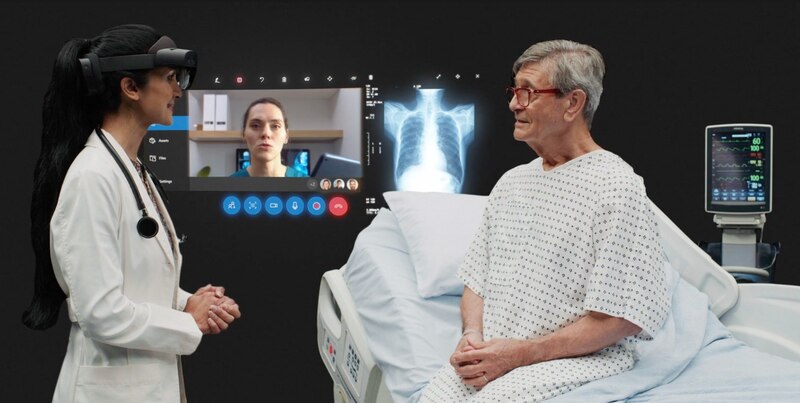 Image credit: Microsoft
AR and VR in marketing
For brands, AR turns a campaign into something people play with and share. It works across social AR and WebAR, and pairs well with the tactics in our guide to AR in marketing and sales. Two examples from our own studio cases:
- Glo campaign with Patsany.Agency. We built nine 3D Urbasaur characters as AR filters, giving the campaign a set of collectible, shareable effects.
- Valley optician. A try-before-you-buy AR experience let customers see glasses on their own face before choosing, straight from the store’s channels.
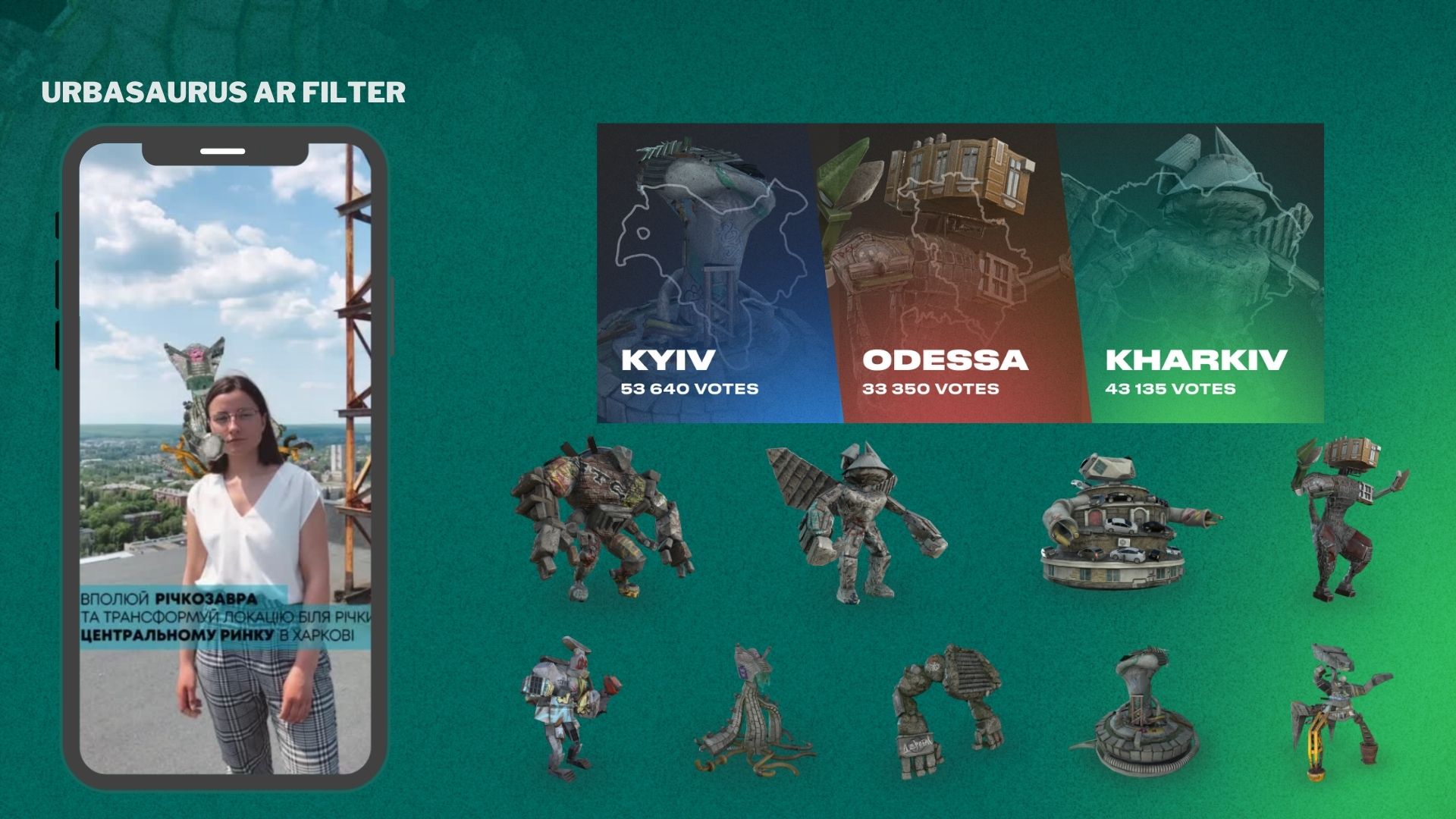 Patsany Agency x Morphy Vision
The pattern holds across both: AR gives the audience a reason to pick up the camera, and every share carries the brand further.
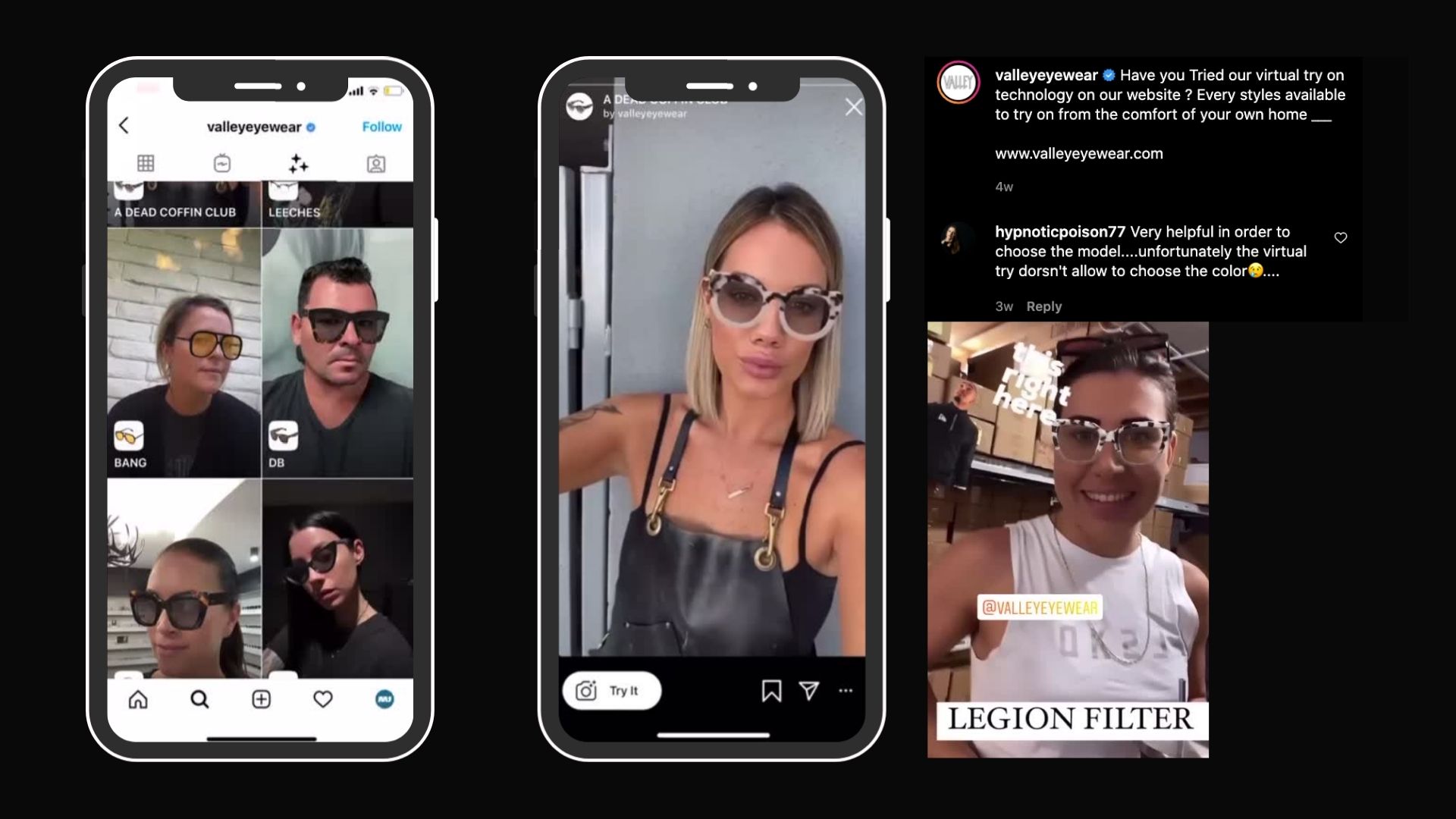 Valley x Morphy Vision
Smart glasses and spatial computing
The biggest hardware shift of 2026 is smart glasses. AR is moving off the phone screen and onto the face, which changes how brands and companies will reach people next.
- Glasses are scaling. Smart glasses shipped 7.25 million units in 2025, roughly half of all XR devices for the year, up from about a quarter in 2024.
- Spatial computing. AR, VR, and mixed reality are converging into spatial computing, where digital content sits in the room around you rather than on a flat screen.
- What it means for brands. The teams building AR experiences today, on WebAR, Snapchat, and TikTok, are the ones ready for the glasses era next.
The AR and VR market in 2026
The money follows the adoption:
| Metric | Figure |
|---|---|
| AR + VR market | About $97B in 2026, projected to reach roughly $269B by 2032 (CAGR ~18%). |
| Growth rate | IDC forecasts around 33% growth in 2026. |
| Smart glasses | 7.25 million units shipped in 2025, about half of all XR devices. |
| Retail try-on | Lifts conversion by 90%+ and cuts returns by around a third. |
Sources: MarketsandMarkets and Coherent Market Insights (AR/VR market), IDC (growth), and industry XR shipment reports.
The takeaway. AR and VR are no longer a bet on the future. Enterprises train on them, retailers sell with them, and shoppers expect them. The brands that build now own the audience, the data, and the head start when glasses go mainstream.
Frequently asked questions
What is the difference between AR and VR?
AR adds digital content on top of the real world through a phone camera or glasses, so you still see your surroundings. VR replaces your view with a full digital environment through a headset.
What are the main AR and VR trends in 2026?
Enterprise training and remote assistance, retail and fashion try-on, immersive education, AR marketing on WebAR/Snapchat/TikTok, and the fast rise of smart glasses and spatial computing.
How big is the AR and VR market in 2026?
The combined AR and VR market is around $97 billion in 2026 and is projected to reach roughly $269 billion by 2032, growing about 18% a year.
How do brands use AR in marketing today?
Brands use AR for virtual try-on, interactive filters, and shareable 3D experiences on WebAR, Snapchat, and TikTok, which lift engagement, reach, and conversion.
Are smart glasses replacing phone AR?
Not yet, but they are growing fast. Smart glasses made up about half of XR device shipments in 2025. For now, phone-based WebAR, Snapchat, and TikTok reach the widest audience.
Looking ahead
The next few years move AR and VR from the phone to the face, and from a marketing extra to a standard part of how people shop, learn, and work. The teams building real AR experiences today are the ones ready for what comes next. We guide your project from the first idea to the final AR or VR experience. Your creative AR/XR development partner.
Jun 5, 2026
Let’s create together