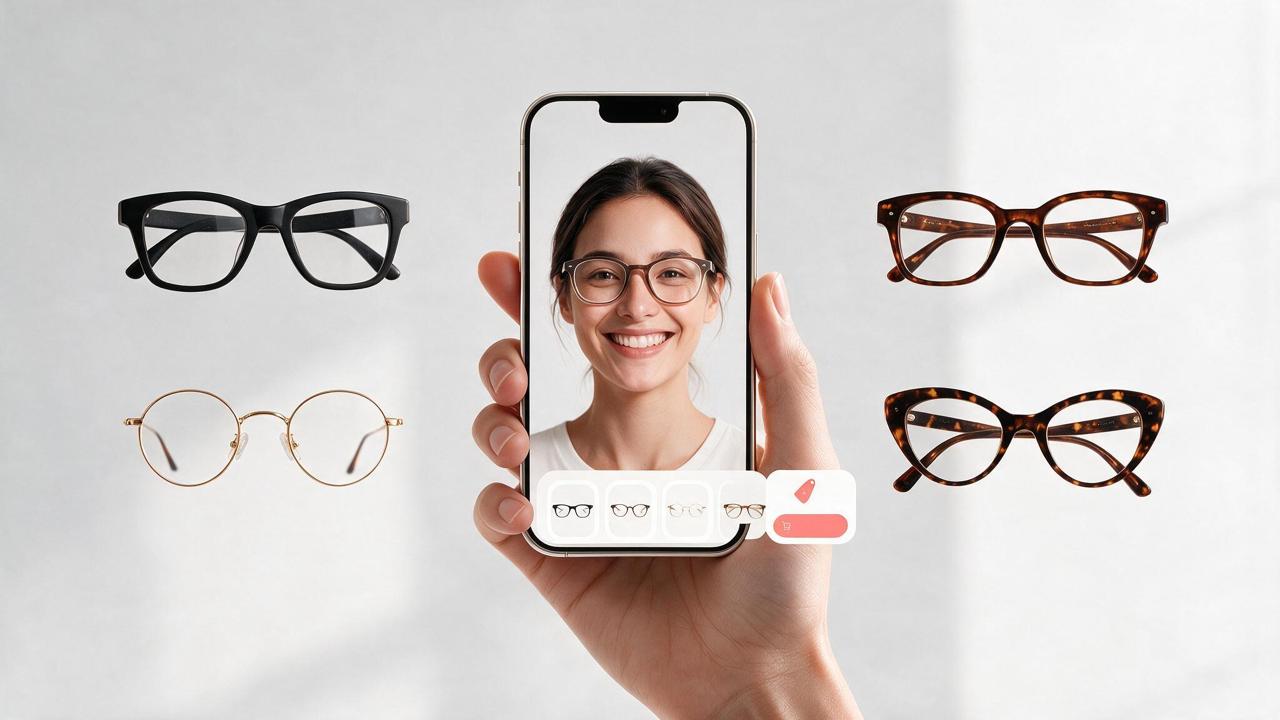
Virtual Try-On: How It Works, Examples & Benefits 2026
Virtual try-on lets a shopper use their phone camera to see a product on themselves before they buy: glasses on their face, lipstick on their lips, a watch on their wrist, or a sofa in their living room. It removes the biggest doubt in online shopping, “will this suit me,” and in 2026 it is one of the highest-return tools in retail, lifting conversion and cutting returns at the same time.
This guide covers what virtual try-on is, how it works, what you can try on, real brand examples, the technology behind it, and how to add it to your store.
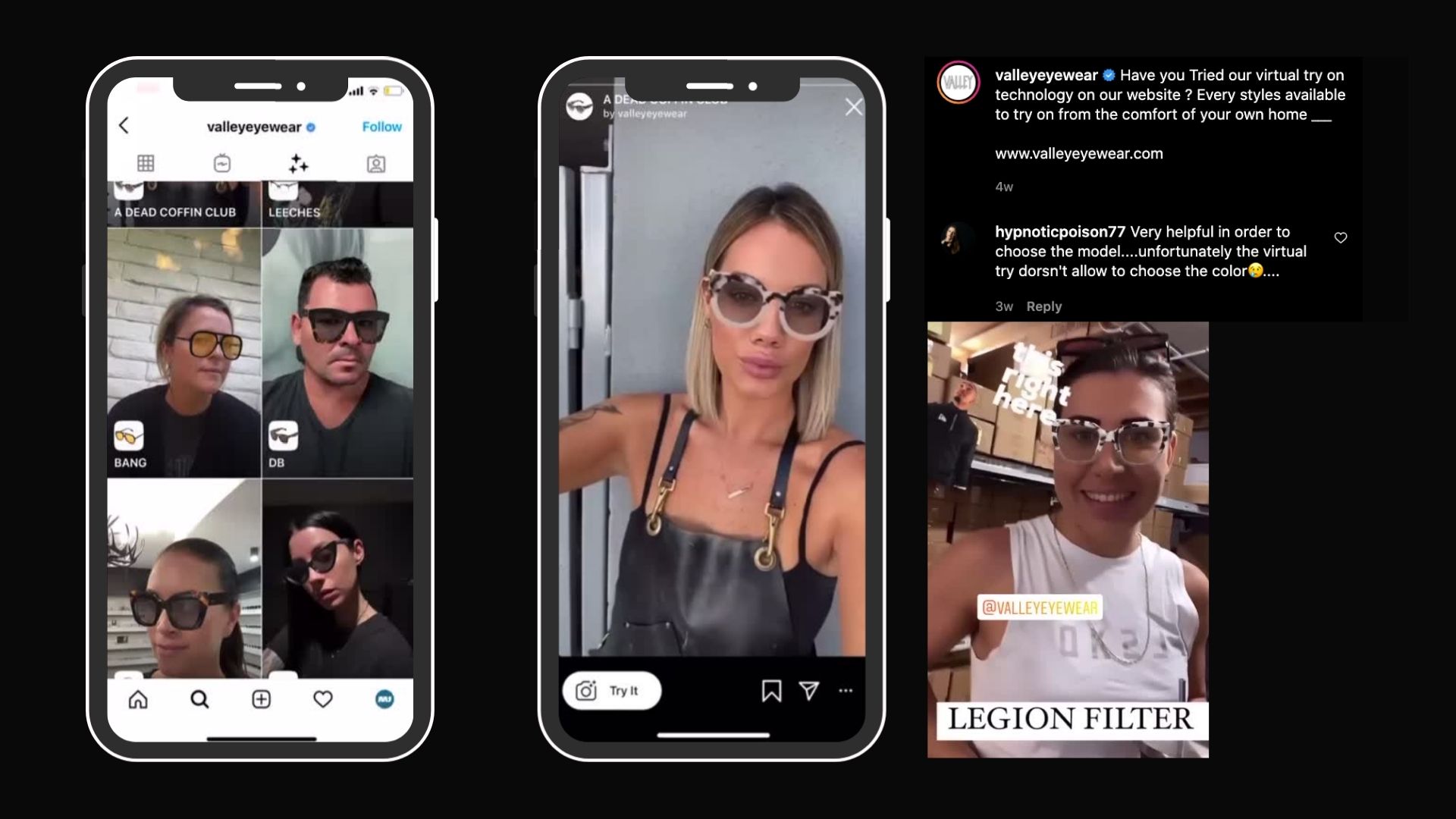 Virtual try-on for eyewear — Valley x Morphy Vision
What is virtual try-on?
Virtual try-on is an experience that places a product onto the shopper in real time through the phone camera. Powered by augmented reality, face, hand, or body tracking maps the product to the person, so glasses, makeup, jewelry, watches, and clothing appear where they would sit in real life. It runs on the web through WebAR, or inside Snapchat and TikTok, and needs no measuring or guessing from the shopper.
How virtual try-on works
Behind a simple “try it on” button, four steps happen in a fraction of a second:
- 1. Camera and tracking. The camera finds the face, hands, or body and tracks their position and angle.
- 2. 3D product. A 3D model of the product, prepared and optimized to run on a phone, is anchored to the tracked point.
- 3. Real-time render. The product renders on top of the live camera feed, matching lighting, movement, and perspective as the shopper turns.
- 4. Decide and buy. The shopper compares styles or shades, records or screenshots the look, and moves to checkout with confidence.
What you can try on with virtual try-on
Some categories were built for try-on. These are the strongest:
- Eyewear. Glasses and sunglasses, the most polished and proven try-on category.
- Beauty. Lipstick, foundation, eyeshadow, and nails, matched to the shopper’s skin tone in real time.
- Jewelry and watches. Rings, earrings, and watches placed on hands and wrists.
- Fashion and footwear. Sneakers, outfits, and accessories, increasingly powered by AI to preview full looks.
- Home and furniture. Sofas, tables, and decor placed at full size in the real room.
Virtual try-on examples from brands
The biggest retailers already treat try-on as standard:
| Brand | What they let you try on |
|---|---|
| Warby Parker | Popularized eyewear try-on for the mass market; still the reference standard for accessories. |
| Ray-Ban | Accurate sunglasses try-on, now tied into its Meta smart-glasses shopping journey. |
| Sephora Virtual Artist | Test lip colors, foundation, and eyeliner with a camera tap, synced with in-store scanners. |
| L’Oréal (ModiFace) | Makeup try-on and shade-finder quizzes across many of its beauty brands. |
| IKEA Place | Place true-to-scale 3D furniture in your room before you buy. |
| Nike, Adidas, Gap | Among the largest US brands running active apparel and footwear try-on. |
Build vs buy: try-on providers and custom experiences
There are two ways to add try-on, and the right one depends on how standard or branded you need it to be.
- Off-the-shelf SDKs. Providers like Perfect Corp (YouCam), Banuba, and ModiFace offer ready makeup and eyewear try-on you plug into a site or app. Fast to launch for standard beauty and eyewear.
- Custom experiences. A studio build fits brands that want a unique, on-brand experience, a packaging or campaign tie-in, social try-on on Snapchat and TikTok, or full ownership of the data. This is what we do at Morphy Vision, on WebAR and social AR.
Which to choose. If you sell standard lipstick or frames and want try-on live next month, an SDK is the quick path. If try-on is part of a bigger brand moment, ties into packaging or a launch, or needs to live inside a social campaign, a custom build gives you a distinctive experience and the data behind it.
What virtual try-on does for conversion and returns
Try-on is rare because it moves both sales and returns in the right direction at once:
- Higher conversion. Retailers report around a 30% lift in conversion from try-on, and product pages with it can convert far better than standard listings.
- Fewer returns. Try-on cuts returns by roughly a third, because shoppers order the right shade, size, and fit.
- More confidence. In a 2025 Snap and Publicis study of 4,028 shoppers, 80% felt more confident buying with AR and 66% were less likely to return the item.
- Fast-growing. Try-on adoption in fashion retail has grown more than 200% since 2023, and the virtual try-on market is worth roughly $15B in 2026.
We cover the wider sales impact in our guide to AR in marketing and sales.
How to add virtual try-on to your store
You do not need an app. Work through three steps:
- Pick one category. Start with your best fit for try-on, usually eyewear or beauty, on one product line.
- Choose the channel. WebAR to run from the product page or a QR code with no app, or Snapchat and TikTok to reach a social audience.
- Build the 3D and launch. Prepare optimized 3D of the products, wire the try-on to the buy button, then measure conversion and returns and scale what works.
Want try-on mapped to your catalog? Tell us what you sell and we will scope it. See more of our work in studio cases, and how the same tech drives AR packaging.
Frequently asked questions
What is virtual try-on?
Virtual try-on uses the phone camera to place a product on the shopper in real time, so they can see glasses, makeup, jewelry, clothing, or furniture before buying. It is powered by augmented reality and runs on WebAR, Snapchat, or TikTok.
How does virtual try-on work?
The camera tracks the shopper’s face, hands, or body, anchors a phone-optimized 3D model of the product to it, and renders the product live on the camera feed, matching movement and lighting as the shopper turns.
Does virtual try-on increase sales?
Yes. Retailers report around a 30% lift in conversion and a similar drop in returns. In a 2025 Snap and Publicis study, 80% of shoppers felt more confident buying and 66% were less likely to return the item.
What products work best for virtual try-on?
Eyewear and beauty are the most proven, followed by jewelry and watches, footwear and apparel, and home and furniture placed at full scale in the room.
Do shoppers need an app for virtual try-on?
Not with WebAR, which runs from the product page or a QR code in the browser. Snapchat and TikTok try-on run inside apps most shoppers already have.
Looking ahead
Virtual try-on is moving from a nice extra to a default part of online shopping, and next onto smart glasses. Brands that add it now win the confidence, the conversion, and the lower returns today, and the head start on what comes next. We build custom virtual try-on on WebAR and social AR, optimized to run on any phone. Your creative AR/XR development partner.
Jul 27, 2026
Let’s create together